Signs Your Partner Is Cheating on Instagram: 9 Red Flags to Watch For
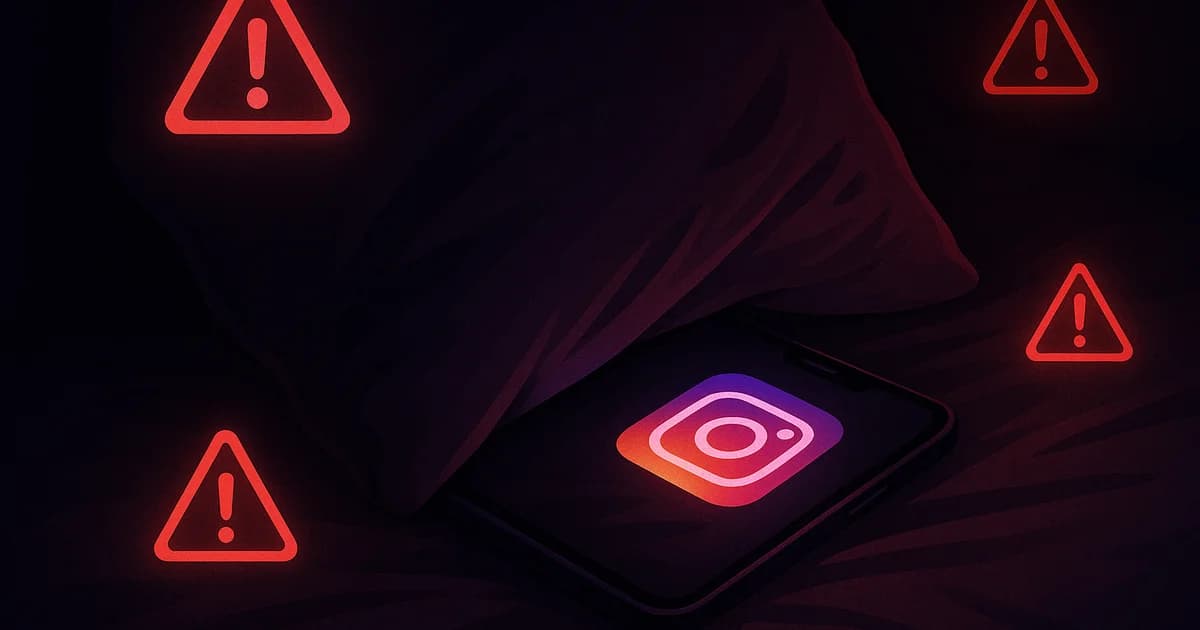
Instagram has become a common starting point for emotional affairs and inappropriate connections. If your gut is telling you something is off, here are nine genuine red flags to watch for — plus practical steps you can take.
Important note: Having one or two of these signs does not mean your partner is cheating. People are entitled to privacy on social media. These become concerning when multiple signs appear together and represent a change from their normal behavior.
Red Flag 1: Suddenly Protective of Their Phone
Everyone has some degree of phone privacy, and that is healthy. The red flag is a change in behavior:
- They used to leave their phone on the table, now it is always face-down or in their pocket
- They changed their password and will not share it
- They angle the screen away from you when using Instagram
- They take their phone to the bathroom every time
Red Flag 2: New Follows That Do Not Match Their Interests
If your partner typically follows sports accounts and suddenly starts following fitness models, lifestyle influencers, or accounts that do not align with their established interests, it is worth noting.
You can track this anonymously. Lurk monitors who someone follows in real time and sends notifications for new follows. If their account is public, enter their username at getlurk.app/username to see recent follow activity.
Try Lurk free
See who anyone just followed, instantly, anonymously.
Red Flag 3: Late-Night Instagram Usage
Instagram has an activity status feature (the green dot). While this can be turned off, if you notice your partner is active on Instagram late at night when they are supposedly asleep, it could indicate private conversations.
Red Flag 4: They Follow-and-Unfollow the Same Person
Following someone, unfollowing, then following again. This can indicate:
- They followed someone they should not have and are trying to manage the evidence
- An on-again, off-again connection
- Anxiety about being caught following a specific person
Lurk tracks follow and unfollow activity with timestamps, making this pattern easy to detect. For a detailed guide, see our unfollow tracker roundup.
Red Flag 5: They Cleared Their Search History
Everyone clears their search history occasionally. But if you notice they clear it frequently or have no search history at all despite using Instagram daily, they may be hiding searches.
Red Flag 6: New "Close Friends" Behavior
If your partner starts posting to Close Friends Story more frequently but you are not seeing those Stories (meaning you are not on their Close Friends list), it raises questions about who IS on that list and what content they are sharing. Read our Close Friends list guide for more context.
Red Flag 7: They React Defensively to Innocent Questions
If asking "who's that?" about a notification or a comment on their post triggers an outsized defensive reaction, the defensiveness itself is informative. Innocent interactions do not require defensive responses.
Red Flag 8: Disappearing DMs and Vanish Mode
Instagram's Vanish Mode makes messages disappear after they are seen. If your partner uses this feature regularly, it means they are having conversations they do not want documented. While Vanish Mode has legitimate uses, its primary appeal is leaving no trace.
Red Flag 9: Their Following Activity Tells a Story
Sometimes the most revealing information is not in DMs or likes — it is in who they follow. A pattern of following:
- Personal accounts of attractive strangers (not content creators)
- Accounts connected to a specific person in their life
- Private accounts where you cannot see the content
This following pattern, tracked over time, can reveal interests and connections that other signs miss.
How to Investigate Responsibly
Step 1: Track Public Activity
Before confronting or snooping, gather objective information. Lurk provides anonymous tracking of any public account's following activity. This is not snooping through their phone — it is monitoring publicly available information.
Step 2: Look for Patterns, Not Incidents
A single follow or like means nothing. What matters is patterns over time:
- Repeated engagement with the same account
- Following and unfollowing the same person
- Activity concentrated at specific times (late night, during work trips)
Step 3: Have the Conversation
Information from monitoring should inform a conversation, not replace one. "I've been feeling disconnected from you lately" is better than "I saw you followed her at 2 AM." The former opens dialogue; the latter creates defensiveness.
Step 4: Seek Professional Help If Needed
If the signs are strong enough to cause real distress, consider couples counseling. A therapist can provide a structured environment for addressing trust issues, whether the suspicions turn out to be founded or not.
What Instagram Cheating Actually Looks Like
Instagram "cheating" is not always following models or liking thirst traps. More commonly, it is:
- Emotional affairs that start as "just talking" in DMs
- Reconnecting with exes through following and messaging
- Crossing boundaries with coworkers or acquaintances through increasingly personal interactions
- Using Instagram as a gateway to other messaging platforms (moving conversations to Snapchat or WhatsApp for less traceability)
When the Signs Add Up
If multiple red flags are present and represent a change from your partner's normal behavior, trust your instincts. But approach the situation with:
- Evidence, not accusations — "I noticed some changes and I want to understand them"
- Openness to explanation — There may be innocent explanations
- Willingness to set boundaries — Discuss what both of you consider appropriate social media behavior
- Professional support — Therapists deal with social media relationship issues constantly
The Bottom Line
Instagram behavior can be revealing, but it can also be misleading. Use tools like Lurk to gather objective data about public following activity, but remember that the goal should be understanding, not surveillance. The best relationships are built on communication, not monitoring — but sometimes monitoring provides the clarity needed to start the right conversation. For related reading, see our guide on tracking a boyfriend's Instagram activity.
Check Anonymously
See who they recently followed, instantly, 100% anonymously, no login required.
Instagram never tells them their following list was viewed.

Keep reading
Is He Cheating? Instagram Red Flags to Watch For (2026 Guide)
Worried he might be cheating? These Instagram behaviors are the biggest red flags to watch for, from secret follows to suspicious Story activity.
Instagram Cheating Signs: 12 Things to Watch For in 2026
How to spot cheating signs on Instagram. 12 behavioral indicators that something might be off, and how to investigate.
Instagram Cheating: 7 Modern Signs the Old Articles Miss
Vanish Mode, Close Friends exclusions, follow-and-unfollow loops. The 2026 cheating signs every red-flag list still hasn't caught up to.
Compare the best Instagram tools (2026)
Independent, regularly-updated rankings, plus the original follow-behavior dataset.
- Best Apps to See Who Someone Recently Followed on Instagram (2026)
- Best Anonymous Instagram Story Viewers (2026)
- Best Instagram Follow Trackers (2026)
- How to See Who Someone Unfollowed on Instagram (2026)
- Best The Ick Alternatives in 2026 (Free & Cheaper Options)
- Best Free Instagram Story Viewers (Anonymous, No Login), 2026
- Best Snoopreport Alternatives in 2026 (Cheaper & Cross-Platform)
- Best DolphinRadar Alternatives in 2026 (With Mobile Apps)
- Best Katch Alternatives in 2026 (Cheaper, With an iPhone App)
- Best Instagram Activity Trackers (2026)
- The Best Way to See Who Someone Unfollowed on Instagram (2026)
- Best Free Instagram Follower Trackers (2026, Honest Guide)
- Best Apps to Track a Specific Instagram Account (2026)
- Best Anonymous Instagram Follower Trackers (2026)
- The Lurk Instagram Follow Index (original data)
- All Instagram tool roundups →
See who any account recently followed
Track any Instagram account and see exactly who they recently followed, anonymously and with no login.
Keep exploring
More free Instagram tools, live data, and answers from Lurk.
- HubInstagram questions & answersStraight answers to the questions people ask most about Instagram.
- HubInstagram terms glossaryPlain definitions for Instagram tracking and privacy terms.
- HubFree Instagram toolsEvery free Lurk tool in one place: viewers, trackers, and checks.
- Live dataThe Instagram Follow IndexLive aggregate data on how people follow and unfollow on Instagram.
- CompareCompare follow trackersLurk vs The Ick, Snoopreport, and Katch, side by side.
- Free toolAnonymous Instagram profile viewerSee any public Instagram profile without them ever knowing it was you.