My Boyfriend Follows Instagram Models — Should I Worry?
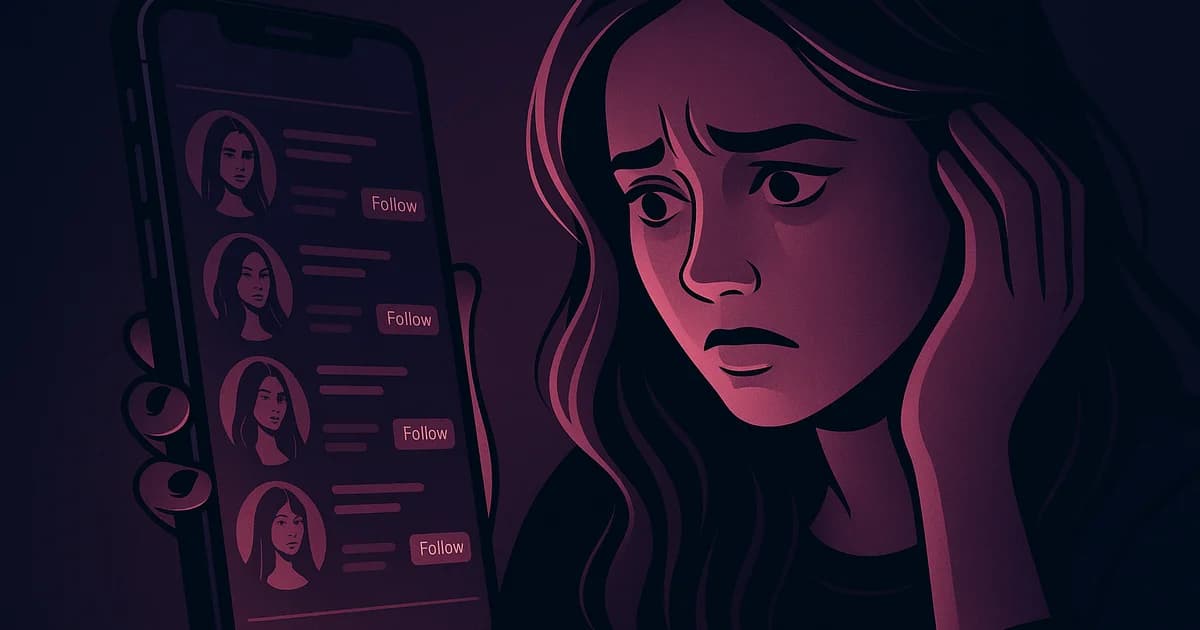
You scrolled through your boyfriend's Instagram following list and found dozens of fitness models, bikini influencers, or similar accounts. Your stomach dropped. Is this normal? Is it a problem? Should you worry? Here is an honest breakdown.
First: You Are Not Alone
This is one of the most common relationship concerns in the social media era. Search data shows that variations of "my boyfriend follows Instagram models" are searched tens of thousands of times every month. You are experiencing something that millions of people in relationships deal with.
The Honest Reality
Most men follow some attractive accounts. This is statistically true. Studies on Instagram usage show that following accounts featuring attractive people is common across all genders, though patterns differ.
It does not automatically mean something is wrong. Many men in healthy, committed relationships follow fitness models or influencers. The follow may reflect casual interest in content, not dissatisfaction with their partner.
But your feelings are valid. Even if the behavior is "normal," the discomfort it causes you is real and worth addressing. "Normal" does not mean your feelings do not matter.
Try Lurk free
See who anyone just followed, instantly, anonymously.
When It Is Probably Fine
The behavior is likely innocent when:
The follows are public figures and content creators. Following @kayla_itsines for workout content or @emrata because she is a cultural figure is different from following personal accounts of local women.
It is a small portion of their following list. If they follow 800 accounts and 20 are models, that is 2.5%. If they follow 200 and 150 are models, that is a different story.
There is no engagement. Following is passive. Liking every photo, commenting, or DM-ing turns passive consumption into active engagement — which IS different.
They are open about it. If you mention it and they respond casually ("yeah, I follow some fitness accounts, I find the workouts interesting"), the lack of secrecy is a good sign.
Their behavior toward you has not changed. They are still affectionate, present, and committed. Their Instagram habits have not affected the relationship quality.
When It Might Be a Problem
The behavior becomes concerning when:
The accounts are personal, not public figures. Following the personal Instagram of local women who are not public figures suggests a more personal interest than following a celebrity.
There is a pattern of concealment. If you check their following list and notice accounts have been unfollowed (they clean up before you might see), this suggests awareness that the behavior would upset you. Lurk tracks follow/unfollow cycles with timestamps, making this pattern visible.
They actively engage. Liking photos, leaving comments (especially flirty ones), sending DMs, or responding to Stories turns following into interaction. This is a meaningfully different behavior.
It causes behavior changes. If they are spending significant time on Instagram looking at these accounts, comparing you to them (even subtly), or becoming less engaged in the relationship, the follows are a symptom of a larger issue.
They get defensive when you bring it up. A dismissive "you are being crazy" or angry "stop checking my phone" response to a calm question is itself a red flag. Someone with nothing to hide and respect for your feelings would engage with the conversation.
The volume is excessive. Following a few fitness influencers is common. Following hundreds of accounts that primarily feature provocative content suggests a level of consumption that may be problematic.
What the Data Actually Shows
If you want objective information rather than guessing, Lurk can provide clarity for public accounts:
- Enter their username at getlurk.app/username
- See recent follows with timestamps
- Track follow/unfollow patterns over time
- Get notifications when they follow new accounts
This gives you facts instead of anxiety. You might find that the follows are less concerning than you feared — or you might find patterns that confirm your concerns. Either way, having data helps you have a more productive conversation.
How to Talk About It
If you decide to bring it up, approach it constructively:
What to say:
- "I noticed you follow a lot of model accounts on Instagram. I want to talk about how that makes me feel."
- "I am not trying to control who you follow, but I want to understand it because it makes me uncomfortable."
- "Can we talk about our social media boundaries? I want us both to feel good about this."
What NOT to say:
- "Stop following those accounts right now." (Ultimatums create resistance.)
- "You obviously wish I looked like them." (Assumptions shut down dialogue.)
- "I tracked everything you did on Instagram." (Leads to a fight about monitoring, not about the actual issue.)
Listen to their perspective:
They may genuinely not have considered how it affects you. Many people view Instagram follows as completely impersonal and are surprised that a partner takes them personally. If they are willing to have the conversation, that is a good sign.
What Therapists Say
Relationship therapists consistently note:
Boundaries should be mutually agreed upon, not imposed. If following models bothers you, express that. If your partner respects your feelings, they will adjust. If they dismiss your feelings, that is a larger issue.
The behavior itself is less important than the dynamic it creates. If both partners are comfortable, there is no problem. If one partner is uncomfortable and the other is dismissive, there IS a problem — regardless of whether the follows are "objectively" harmless.
Comparison is the real danger. The psychological impact of regularly viewing curated, filtered images of conventionally attractive people can affect self-esteem. If YOUR self-image is suffering because of what your partner follows, that is worth addressing.
Social media habits can reflect relationship health. A partner who is fully invested in the relationship tends to naturally reduce attention directed at strangers online. Increased attention elsewhere can (but does not always) indicate reduced investment.
Setting Boundaries That Work
Rather than a blanket "unfollow everyone," try specific, reasonable boundaries:
- No engaging with model accounts — following is one thing, liking and commenting is another
- Transparency over secrecy — no secret accounts or hidden follows
- Mutual respect — both partners adhere to the same standards
- Regular check-ins — revisit the topic periodically as the relationship evolves
The Bigger Question
Sometimes the Instagram model question reveals a deeper concern: Am I enough? Do they wish I was different? Are they looking for something I cannot provide?
These questions deserve answers, and they deserve to be answered through conversation, not Instagram surveillance. Use tools like Lurk for clarity when you need it, but invest in communication for lasting resolution.
Further Reading
For related topics:
- Is following someone on Instagram cheating? — the full debate
- Instagram cheating signs — 12 things to watch for
- How to track your boyfriend's Instagram — complete guide
- Visit our FAQ page for more common questions
Check Anonymously
See who they recently followed, instantly, 100% anonymously, no login required.
Instagram never tells them their following list was viewed.

Keep reading
IGDetective Alternative: See the Dated Recent Follows for $1 (2026)
IGDetective is a real no-login Instagram tracker, but the dated recent-follow data sits behind Premium at from $1 a day billed monthly. Here is what its free tier withholds, an honest price comparison, and how to see real names for $1 first.
Is My Boyfriend Following Someone New on Instagram? How to Find Out
Wondering if your boyfriend is following new people on Instagram? Here's how to find out — instantly, anonymously, without confrontation.
How to Track Your Boyfriend's Instagram Activity (Anonymously, in 2026)
A practical, sensitive guide to tracking your boyfriend's Instagram follows and Story activity — anonymously, without him ever knowing.
Compare the best Instagram tools (2026)
Independent, regularly-updated rankings, plus the original follow-behavior dataset.
- Best Apps to See Who Someone Recently Followed on Instagram (2026)
- Best Anonymous Instagram Story Viewers (2026)
- Best Instagram Follow Trackers (2026)
- How to See Who Someone Unfollowed on Instagram (2026)
- Best The Ick Alternatives in 2026 (Free & Cheaper Options)
- Best Free Instagram Story Viewers (Anonymous, No Login), 2026
- Best Snoopreport Alternatives in 2026 (Cheaper & Cross-Platform)
- Best DolphinRadar Alternatives in 2026 (With Mobile Apps)
- Best Katch Alternatives in 2026 (Cheaper, With an iPhone App)
- Best Instagram Activity Trackers (2026)
- The Best Way to See Who Someone Unfollowed on Instagram (2026)
- Best Free Instagram Follower Trackers (2026, Honest Guide)
- Best Apps to Track a Specific Instagram Account (2026)
- Best Anonymous Instagram Follower Trackers (2026)
- The Lurk Instagram Follow Index (original data)
- All Instagram tool roundups →
See who any account recently followed
Track any Instagram account and see exactly who they recently followed, anonymously and with no login.
Keep exploring
More free Instagram tools, live data, and answers from Lurk.
- HubInstagram questions & answersStraight answers to the questions people ask most about Instagram.
- HubInstagram terms glossaryPlain definitions for Instagram tracking and privacy terms.
- HubFree Instagram toolsEvery free Lurk tool in one place: viewers, trackers, and checks.
- Live dataThe Instagram Follow IndexLive aggregate data on how people follow and unfollow on Instagram.
- CompareCompare follow trackersLurk vs The Ick, Snoopreport, and Katch, side by side.
- Free toolAnonymous Instagram profile viewerSee any public Instagram profile without them ever knowing it was you.