Men Exposed 2026: The Instagram Trend Explained and What It Means
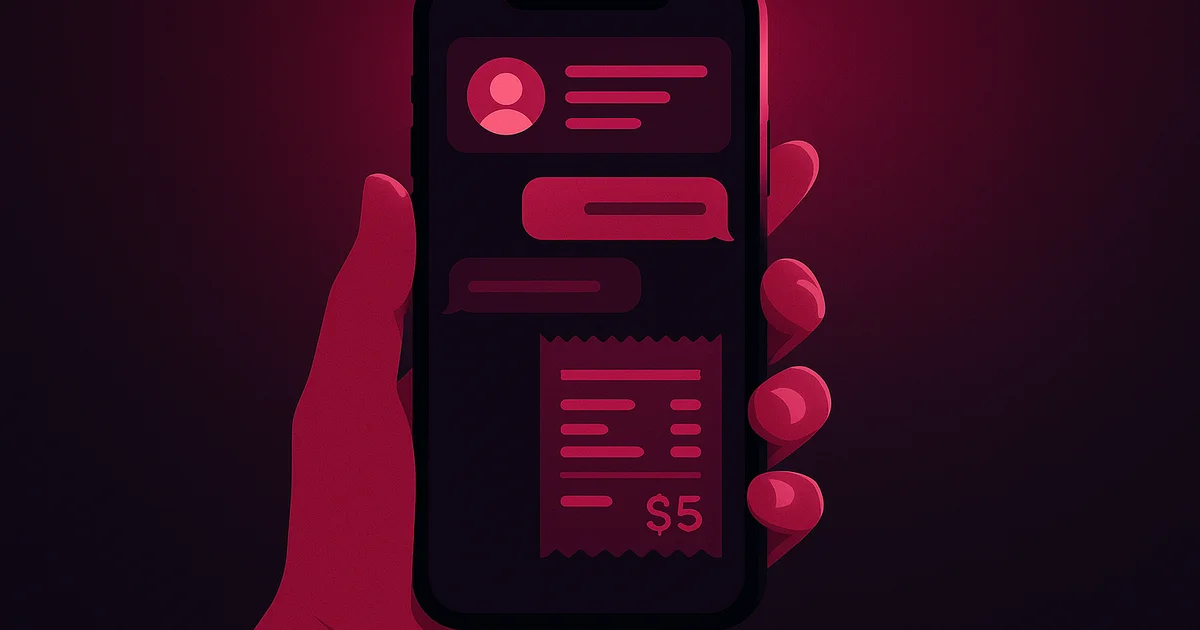
If you have been on Instagram or TikTok in early 2026, you have seen it: the "Men Exposed 2026" trend. It started as scattered posts and exploded into a viral movement where people — primarily women — publicly share evidence of deceptive behavior by men on social media. Here is what is happening, why it matters, and how Instagram tracking tools are playing a role.
What Is the "Men Exposed 2026" Trend?
The trend involves people posting screenshots, screen recordings, and evidence of men engaging in deceptive social media behavior — typically related to relationships. Common posts include:
- Following activity contradictions. A man tells his partner he does not follow "those kinds of accounts," but tracking tools reveal dozens of recently followed fitness models or OnlyFans creators.
- DM evidence. Screenshots of direct messages showing flirtatious conversations while the person is in a relationship.
- Story viewer patterns. Evidence that someone is consistently viewing an ex's or another person's Stories while claiming no contact.
- Follow/unfollow games. Tracking data showing someone repeatedly following and unfollowing the same account — often interpreted as "testing the waters."
- Finsta (fake account) exposure. People discovering their partner's secondary Instagram accounts used for activity they want to hide.
Why It Went Viral
Several factors fueled the explosion:
Instagram tracking tools became mainstream. Apps like Lurk made it easy for anyone to track public follow and unfollow activity. What used to require manual comparison of follower lists now happens automatically with timestamped alerts. The barrier to discovering deceptive behavior dropped dramatically.
The "receipts" culture. Social media has normalized sharing evidence. The same way people share screenshots of text conversations, they now share follow tracking data and Story viewer lists as "proof."
Community solidarity. Women finding out they are not alone in their experiences created a snowball effect. One post inspired others to check their own partner's activity, leading to more discoveries and more posts.
The algorithm rewarded it. High engagement (comments, shares, saves) on "Men Exposed" posts pushed them to explore pages and Reels feeds, amplifying reach.
Try Lurk free
See who anyone just followed, instantly, anonymously.
How People Are Using Tracking Tools
The trend has popularized a specific workflow:
- Set up anonymous tracking. Use a tool like Lurk to monitor a public account's following activity without the person knowing.
- Collect data over time. Let the tool run for days or weeks, logging every follow and unfollow with timestamps.
- Identify patterns. Look for concerning patterns — follows at unusual hours, rapid follow/unfollow cycles, follows that do not match stated interests.
- Compare with statements. Compare the tracking data with what the person says about their social media behavior.
- Make informed decisions. Use the information to have a conversation — or, as the trend shows, to share publicly.
The Follow Activity Angle
The most common evidence in "Men Exposed" posts comes from follow tracking. Here is why it is so revealing:
Following someone is an active choice. Unlike appearing in someone's Story viewer list (which might happen from casual scrolling), following an account is a deliberate action. It means they searched for or discovered the account and chose to connect.
Unfollowing reveals awareness. When someone follows and then unfollows an account shortly after, it suggests they realized the follow might be noticed and tried to hide it. Lurk captures both the follow AND the unfollow with timestamps, making this pattern visible.
Timing matters. A follow at 2 AM while a partner thinks they are asleep tells a different story than one at noon during a commute. Timestamped data from tracking tools provides this context.
For a detailed guide on how follow tracking works, see our step-by-step follow tracking guide.
Is This Ethical?
The trend raises genuine ethical questions:
Arguments in Favor
- All tracked data is from PUBLIC Instagram profiles
- Monitoring public activity is not "hacking" or "snooping" — it is observing publicly available information
- People have a right to know if a partner is being deceptive
- Accountability can lead to healthier relationship norms
Arguments Against
- Public shaming can cause disproportionate harm
- Context is often missing from viral posts
- Some "evidence" may be misinterpreted (e.g., following an account for content, not attraction)
- The trend could become a tool for harassment or manipulation
- Obsessive monitoring is not a foundation for a healthy relationship
The Middle Ground
Using tracking tools to verify suspicions is reasonable. Sharing the results publicly to humiliate someone is a choice with consequences. The information is the same — what you do with it is where ethics come in.
What You Can Actually Track
To be clear about what tools like Lurk can and cannot reveal:
Can track (public accounts only):
- New follows and unfollows with timestamps
- Changes in follower and following counts
- Profile changes (bio updates, profile picture changes)
- Story posting activity
Cannot track:
- DMs (completely private)
- Posts someone likes (no longer publicly visible since 2019)
- Comments someone leaves (visible but not compiled)
- Private account activity
- Who views someone's profile
For more details on what is trackable, visit our FAQ page.
The Broader Conversation
The "Men Exposed 2026" trend is part of a larger shift in how social media transparency intersects with relationships:
Transparency expectations have increased. Many people now expect their partner's public social media behavior to be consistent with their relationship commitments.
Tools have democratized surveillance. What once required technical skill or obsessive manual checking is now available to anyone through user-friendly apps.
Social media behavior is considered meaningful. Following someone on Instagram is no longer seen as trivial — it is increasingly viewed as a signal of interest, attention, and intent.
How to Approach This Responsibly
If the trend has made you curious about someone's Instagram activity:
- Start with a conversation. Before tracking, talk to your partner about social media boundaries.
- Use tools for clarity, not control. Lurk provides information. What you do with it should be constructive.
- Consider context. A single follow does not tell the whole story. Look for patterns over time.
- Protect your own wellbeing. Obsessive monitoring can be harmful to your mental health, regardless of what you find.
- Know when to seek help. If trust issues are significant, a therapist is more helpful than a tracking app.
Read More
For related guides, check out:
- How to catch a cheater on Instagram — a complete guide
- Instagram red flags for cheating — 9 signs to watch for
- Is following someone on Instagram cheating? — the debate explained
Ready to try Lurk?
See who anyone just followed on Instagram, 100% anonymous, no login required.
Instagram never tells them their following list was viewed.

Keep reading
The 'Does He... I Do' Instagram Trend Explained (March 2026)
The 'Does he... I do' trend is all over Instagram right now. Here's what it means, how to participate, and why it went viral in March 2026.
Instagram Follow/Unfollow Strategy Explained: Does It Still Work in 2026?
The follow/unfollow growth strategy on Instagram — how it works, whether it's still effective in 2026, and the risks involved.
Instagram Story Viewers Order: What It Actually Means in 2026
Why are certain people always at the top of your Instagram Story viewers? Here's how the algorithm really orders your Story viewer list.
Compare the best Instagram tools (2026)
Independent, regularly-updated rankings, plus the original follow-behavior dataset.
- Best Apps to See Who Someone Recently Followed on Instagram (2026)
- Best Anonymous Instagram Story Viewers (2026)
- Best Instagram Follow Trackers (2026)
- How to See Who Someone Unfollowed on Instagram (2026)
- Best The Ick Alternatives in 2026 (Free & Cheaper Options)
- Best Free Instagram Story Viewers (Anonymous, No Login), 2026
- Best Snoopreport Alternatives in 2026 (Cheaper & Cross-Platform)
- Best DolphinRadar Alternatives in 2026 (With Mobile Apps)
- Best Katch Alternatives in 2026 (Cheaper, With an iPhone App)
- Best Instagram Activity Trackers (2026)
- The Best Way to See Who Someone Unfollowed on Instagram (2026)
- Best Free Instagram Follower Trackers (2026, Honest Guide)
- Best Apps to Track a Specific Instagram Account (2026)
- Best Anonymous Instagram Follower Trackers (2026)
- The Lurk Instagram Follow Index (original data)
- All Instagram tool roundups →
See who any account recently followed
Track any Instagram account and see exactly who they recently followed, anonymously and with no login.
Keep exploring
More free Instagram tools, live data, and answers from Lurk.
- HubInstagram questions & answersStraight answers to the questions people ask most about Instagram.
- HubInstagram terms glossaryPlain definitions for Instagram tracking and privacy terms.
- HubFree Instagram toolsEvery free Lurk tool in one place: viewers, trackers, and checks.
- Live dataThe Instagram Follow IndexLive aggregate data on how people follow and unfollow on Instagram.
- CompareCompare follow trackersLurk vs The Ick, Snoopreport, and Katch, side by side.
- Free toolAnonymous Instagram profile viewerSee any public Instagram profile without them ever knowing it was you.